The short answer
Florida has no single statewide law that sets one minimum rental length for the whole state. Instead, two separate things shape how long you can — or have to — rent: a state tax line drawn at six months, and local rules set by individual cities, counties, and condo/HOA associations. The much-searched "30-day rule" comes from that second bucket, not from a statewide statute.
For a furnished stay of one to six months — the range this site is built around — you're almost always fine on minimum-stay rules, because those months comfortably clear the 30-day and three-month minimums most buildings and cities impose. The main thing to know is that stays of six months or less are treated as short-term for tax purposes.
The six-month line (how Florida defines a short-term rental)
For tax purposes, Florida treats a rental of six months or less as a "transient" or short-term rental. Those stays are generally subject to state sales tax plus the county's tourist development tax — the same way a hotel stay is. A lease longer than six months is generally exempt from those taxes.
So the six-month mark isn't a ban — it's the line that decides whether a stay is taxed like a vacation rental. A one-to-six-month furnished rental sits on the short-term side of that line, which is why hosts of these stays usually need to collect and remit the tax.
Where the "30-day rule" comes from
The 30-day figure people search for almost always traces back to local rules, and there are two layers of them. First, city and county ordinances: many Florida municipalities restrict very short stays in residential zones — some prohibit rentals under 30 days, others under six months — to keep neighborhoods from turning into nightly-rental blocks. These vary dramatically from one city, and even one zoning district, to the next.
Second, condo and HOA documents: most Florida condo buildings set their own minimum lease term in their declaration — commonly 30 days, but often three months, six months, or once a year. This building-level minimum is frequently stricter than the city's, and it's the one that catches renters off guard. It's why two units on the same street can have completely different minimums.
What this means for a 1–6 month stay
Because a one-to-six-month lease clears the common 30-day and three-month minimums, this range is the practical sweet spot in Florida: long enough to satisfy most city and building rules, short enough to stay flexible. It's the range snowbirds, travel nurses, and relocating professionals actually need — and the range every listing on this site is set up for.
If you're looking at less than 30 days, that's where you have to be careful — it's the tier most likely to be restricted by a city ordinance or an HOA. From 30 days up through six months, you're on much safer ground, though the specific building's minimum still governs.
How to check the rules for a specific place
Three things settle it for any given rental: the city or county ordinance for that address, the building's condo/HOA minimum-lease rule, and — if the stay is six months or less — registering to collect the applicable taxes. Ask the host directly for the building's minimum lease term before you commit; a reputable host will know it, and for the city rule, check the municipality's short-term-rental or zoning page.
This is a general overview, not legal or tax advice, and Florida's local rules change often — confirm the current ordinance for the specific city and the building's own documents before you rent or list.
Available rentals in Miami
See all 293 →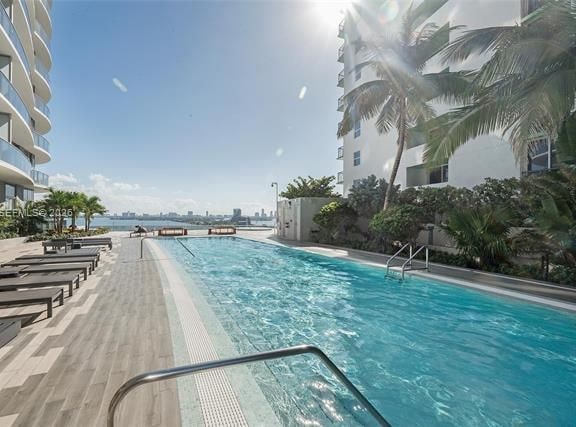
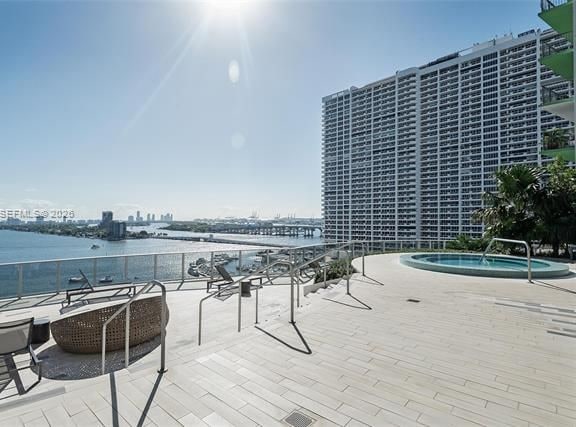
$10,000/mo
Aria on the Bay: 34th Floor Panoramic Bay Views
Miami
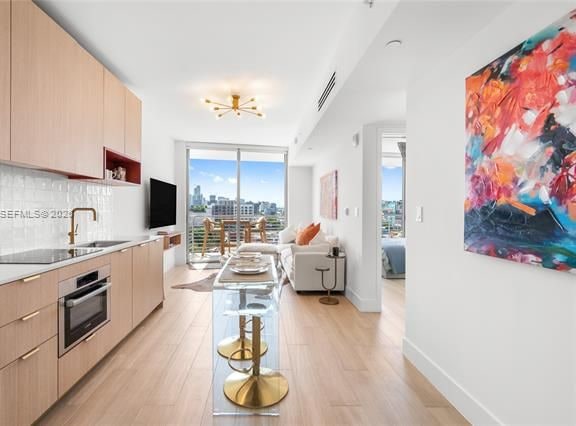
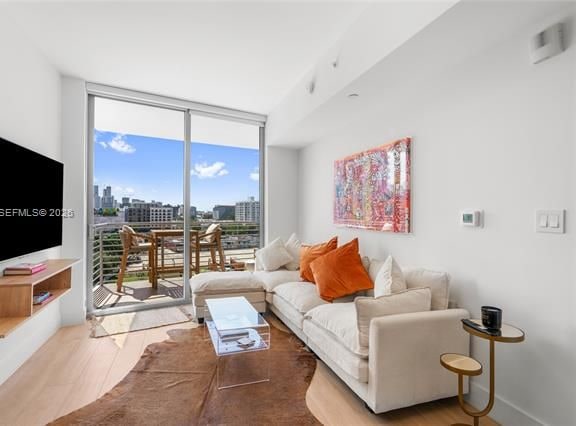
$5,950/mo
The Standard Residences: 179 Sqft Terrace
Miami
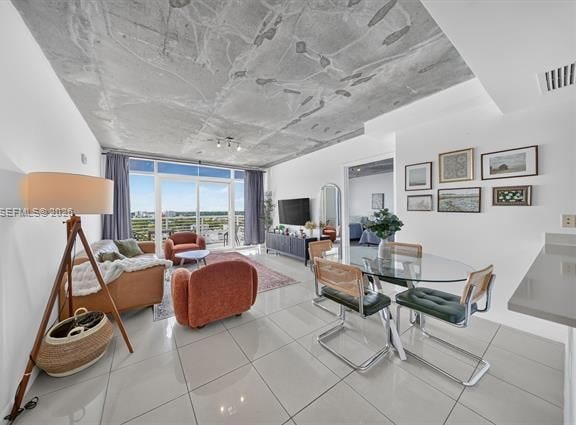
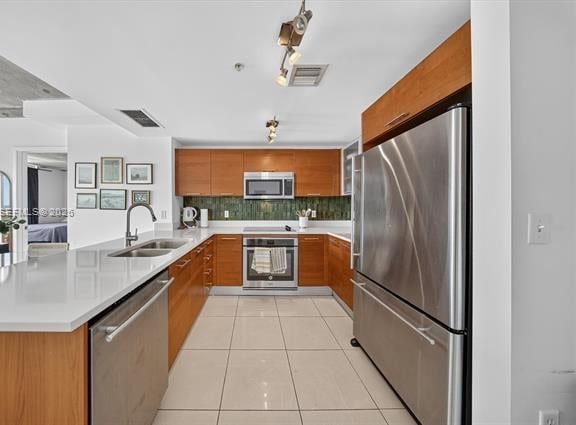
$5,200/mo
Top Floor Midtown Miami With Sunset Skyline Views
Miami

$5,000/mo
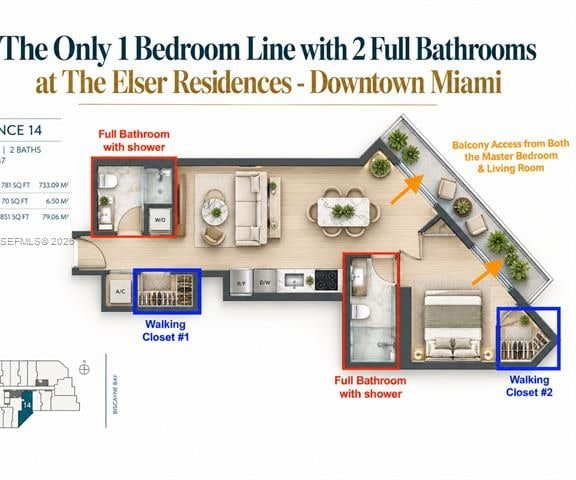
Ocean View 1BR/2BA at The Elser Residences
Miami

$7,000/mo
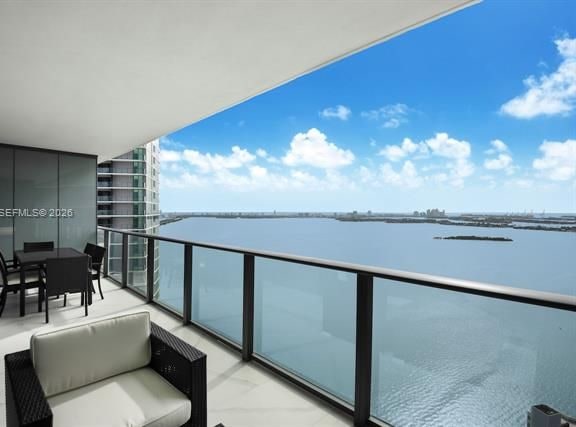
Paraiso Bay 35th Floor Bay View Luxury
Miami
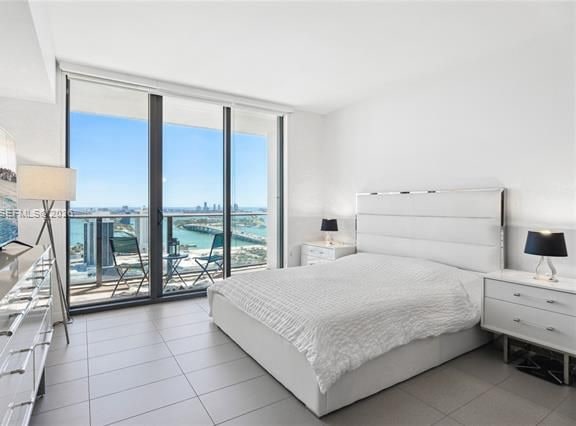
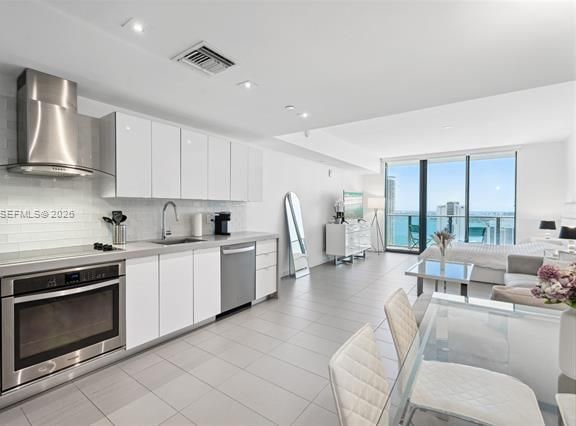
$2,750/mo
Canvas High-Floor Bay Views, Arts District
Miami
Frequently asked questions
Does Florida require a 30-day minimum stay for rentals?+
Not as a single statewide law. Florida draws its main line at six months for tax purposes, but individual cities, counties, and condo/HOA associations set their own minimum lease terms — often 30 days, sometimes three or six months. Whether a 30-day minimum applies depends on the specific address and building.
What counts as a short-term or vacation rental in Florida?+
For tax purposes, a rental of six months or less is treated as a transient/short-term rental and is generally subject to state sales tax plus the county tourist development tax. Leases longer than six months are typically exempt.
Can I rent for less than 30 days in Florida?+
Sometimes — it depends entirely on the city's zoning ordinance and the building's HOA/condo rules. Sub-30-day stays are the most heavily restricted tier, so always confirm both the local ordinance and the building's minimum lease term first.
Why do so many Florida condos have a 30-day (or longer) minimum?+
Because the building's own condo or HOA declaration sets a minimum lease term, independent of city law. Thirty days is common, but three-month, six-month, and once-a-year minimums are all widespread. Ask the host for the building's specific rule.
Do I owe tax on a 1–6 month furnished rental?+
Generally yes — because six months or less falls on the short-term side of Florida's tax line, these stays are usually subject to state sales tax and the county tourist development tax, which the host collects. See our guide on licensing and taxes for Florida monthly rentals for the details.